

What a Case Reveals About the Storage Medium
A dent, a crack, or a bent connector are visible signs of damage. However, it is often impossible to determine from the outside just how severely a storage device has actually been affected. A damaged casing may indicate that the device was dropped, subjected to pressure, or otherwise impacted from the outside, but it doesn’t necessarily reveal what happened inside the device. Conversely, a storage device may look completely normal yet still no longer function.
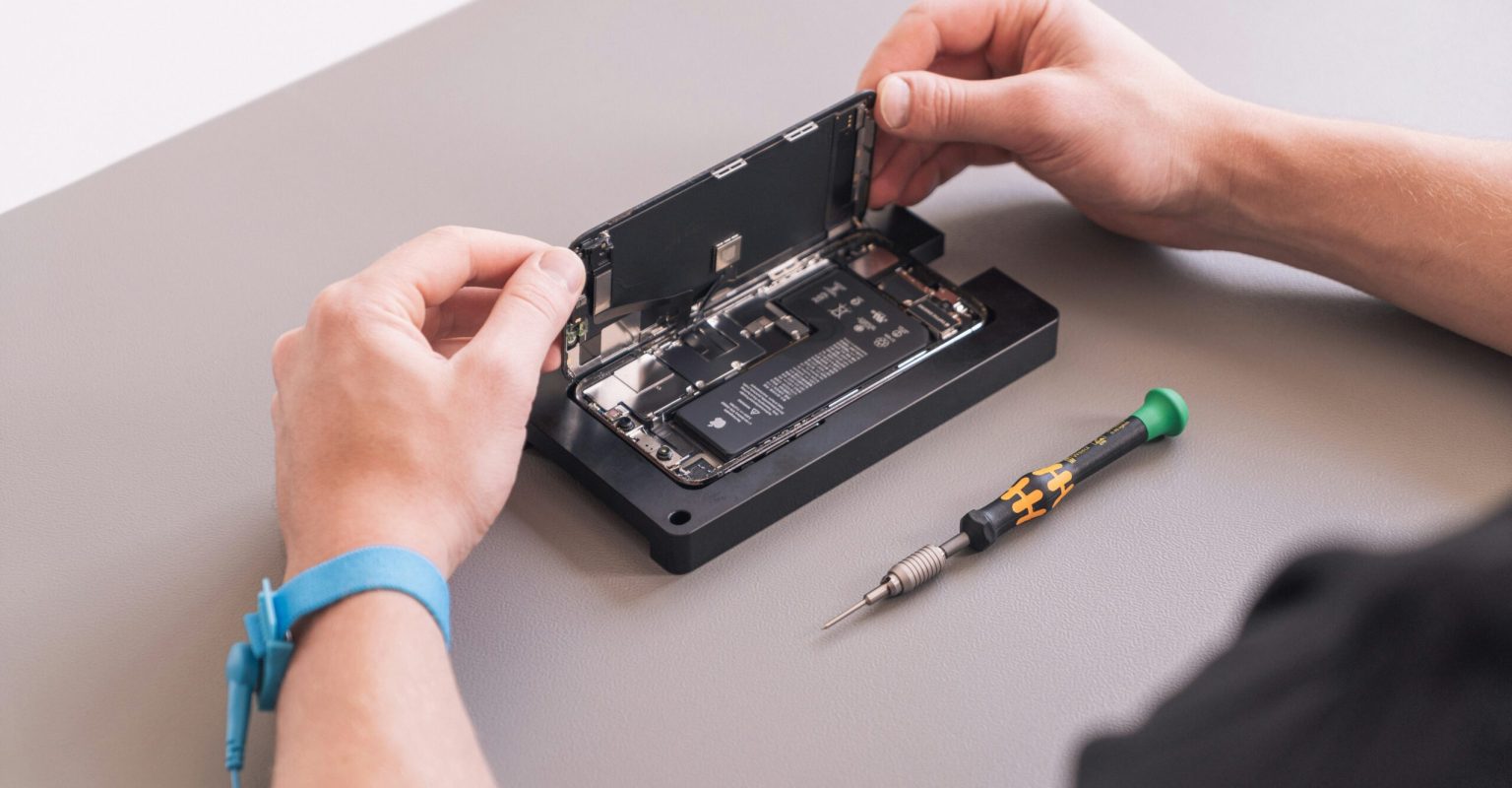
After a fall or a hard impact, it’s very tempting to assess the damage based on what you can see right away. With a data storage device, however, that’s only part of the picture. The casing forms the outer shell and is designed to protect the sensitive components inside. If this shell is damaged, it can also affect the internal components. The extent of such damage depends, among other things, on where and how hard the storage device was struck. For example, a damaged casing may indicate mechanical stress, but this does not necessarily mean that it is already clear which components are actually affected. Only a more detailed examination of the storage device will reveal the full extent of the damage.
What’s Important After a Fall
If a hard drive shows signs of external damage, you should not initially try to turn it on repeatedly. Unusual noises, in particular, are a reason to stop using the hard drive. Repeatedly turning it on is no longer just a way to quickly check whether the hard drive is still working. It exposes the storage medium to further operation, even though technical damage may already be present. The situation is different if, for example, only the casing of an external hard drive has been damaged and the actual storage medium appears to be unaffected. Even in this case, however, you should not simply assume that everything is fine. It is impossible to determine just by looking whether only the outer casing or the internal components have been damaged.
With a USB flash drive or memory card, the situation is different again. These devices do not have a mechanical hard drive that might make noticeable noises after a fall. Instead, damage may become apparent, for example, when the device is no longer recognized or the stored data is no longer accessible.
Not all damage looks the same
The type of storage medium plays an important role here. A traditional hard drive is built differently than an SSD, a USB flash drive, or a memory card. Accordingly, the types of damage that can occur and their effects also differ. What might be indicated by a specific noise in the case of a hard drive may manifest quite differently in another type of storage medium. When dealing with a damaged storage device, this means above all that you should not jump to conclusions about the condition of the stored data based solely on visible damage. If a device still works after a fall, that’s initially a good sign that the data is currently accessible, but it’s no guarantee that nothing has been damaged. Conversely, if it no longer works, this behavior alone doesn’t indicate which component is affected.
When the data is important
If a storage device is damaged, you should therefore avoid trying to determine the cause yourself—by opening the device or repeatedly attempting to power it on—whenever possible. Especially if important data is stored on it, further attempts are not a reliable basis for a safe assessment. This is especially true for hard drives if unusual noises occur after a fall. However, it’s also wise to exercise caution with other storage media if they suddenly become unrecognized or if stored files are no longer accessible.
In such cases, a professional examination can determine the extent of the damage and the possibilities for data recovery. This involves assessing not only visible damage but also the overall condition of the storage medium in question.
While a damaged case is certainly an important indication that a data storage device has sustained some damage, simply looking at the outside is not enough to assess the actual extent of the damage.